Getting Started with Fermentation - How to Get Started
Fermentation may seem complicated at first glance, but with a little knowledge and patience, you too can make your own fermented delicacies. In this blog post, we will cover the basics of fermentation and show you how to successfully delve into this fascinating world.
What does fermentation mean?
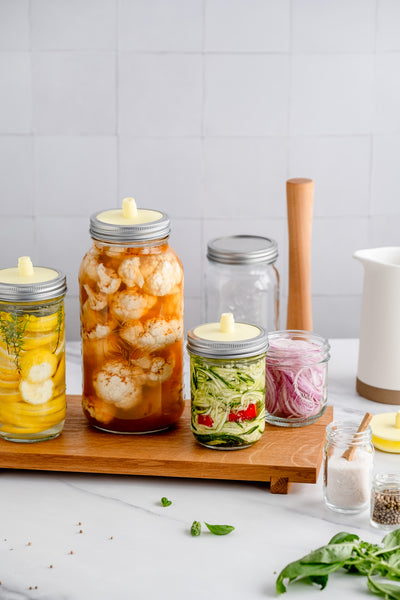
Fermentation is an ancient process that uses microorganisms such as bacteria, yeasts and molds to break down and change food. This process can occur naturally or be done intentionally. But what happens during fermentation? Fermentation is the process of converting carbohydrates in food into acids or alcohol, changing the food's taste, texture and shelf life.
Difference between dry salting method and brine
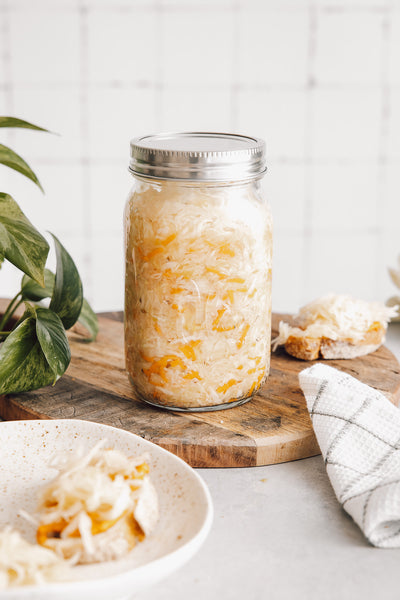
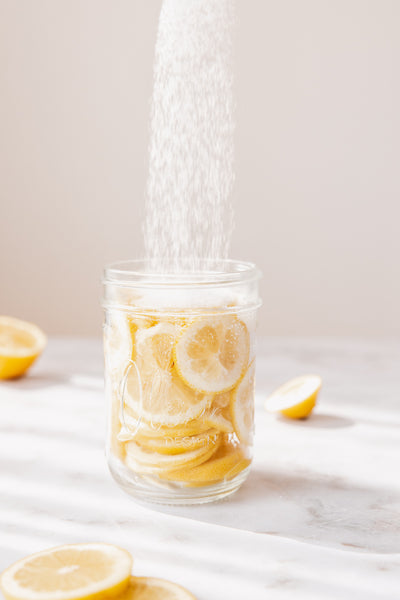
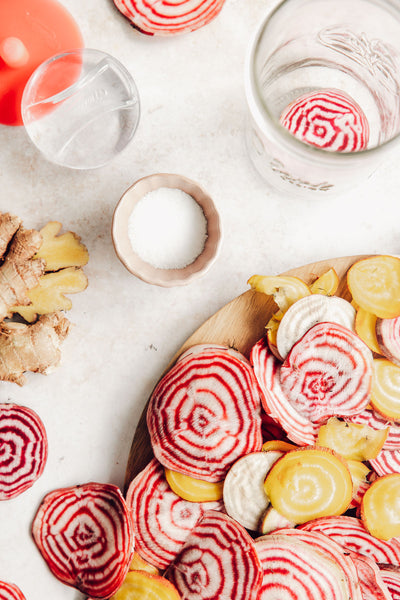
There are several methods of fermentation, but the two most common are the dry salting method and the use of brine. The dry salting method involves adding salt directly to the food to inhibit microorganisms and control fermentation. The brine method involves placing food in a salt water solution, which promotes fermentation and affects the flavor. The choice of method depends on your personal taste and the food being fermented.
Wild Ferments vs. Cultured Ferments
There are two main types of ferments: wild ferments and cultured ferments. Wild ferments use the microorganisms that naturally occur in the environment to start the fermentation. Cultured ferments, on the other hand, use specific strains of microorganisms that are intentionally introduced to control the fermentation process. Both methods have their advantages and disadvantages, and the choice depends on your personal preferences and goals.
Why are fermented foods so healthy for us?
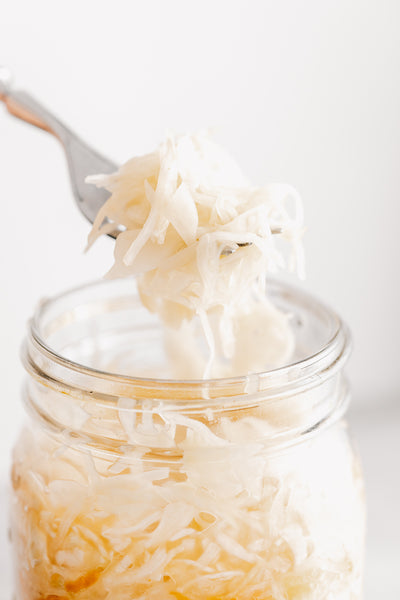
Fermented foods are not only delicious, but also extremely healthy. During the fermentation process, probiotic bacteria are created that can promote our gut health and strengthen the immune system. In addition, fermentation makes some nutrients more bioavailable, meaning our bodies can absorb them more easily. Digestion is improved, and fermented foods often have a longer shelf life.
recipes to try
To support you on your fermentation adventure, we have prepared some delicious recipes for you:
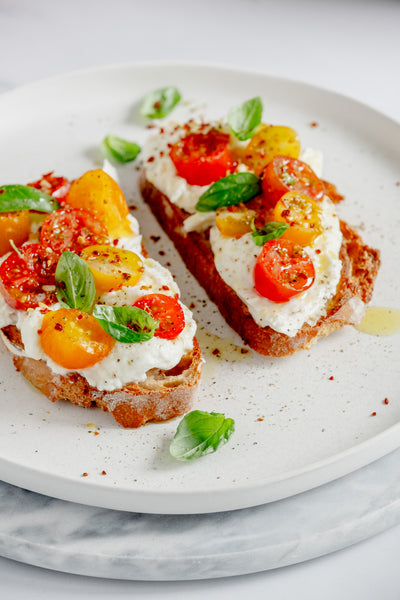
1. Fermented tomatoes on bread:
A refreshing and healthy side dish for your favorite bread.
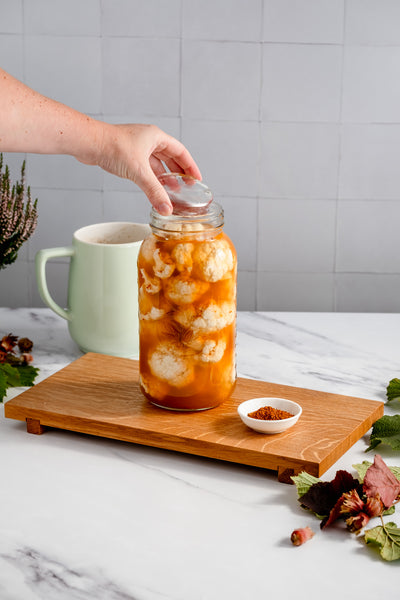
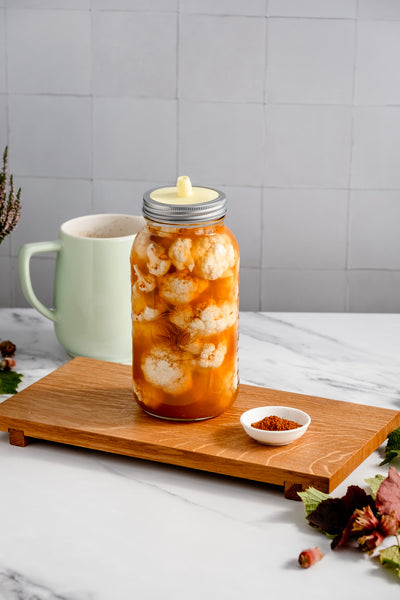
2. Curry Cauliflower:
An exotic dish with a hint of fermentation.
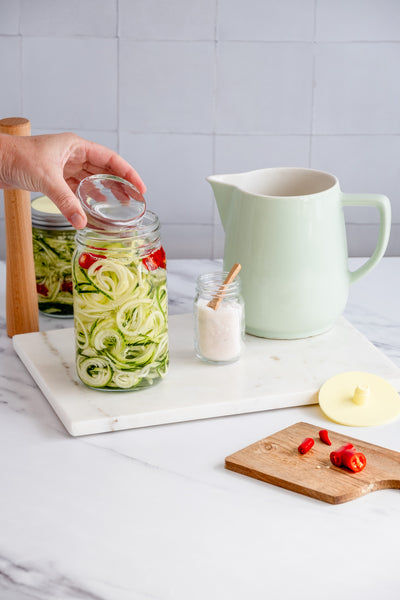
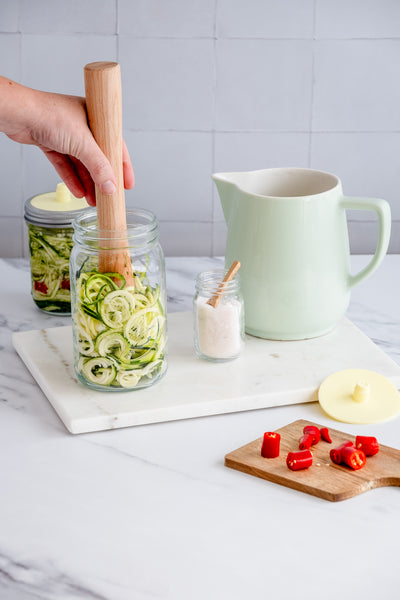
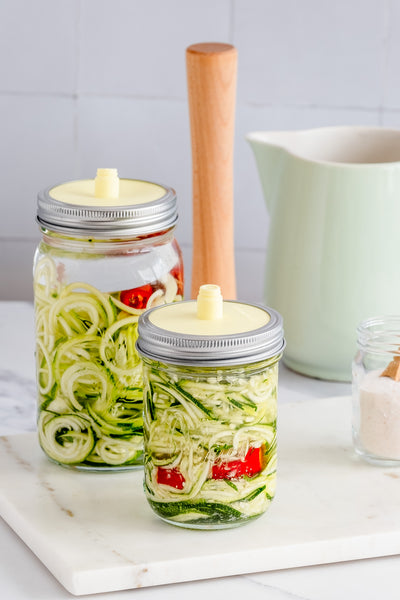
3. Fermented Zoodles:
Healthy zucchini noodles with chilli.
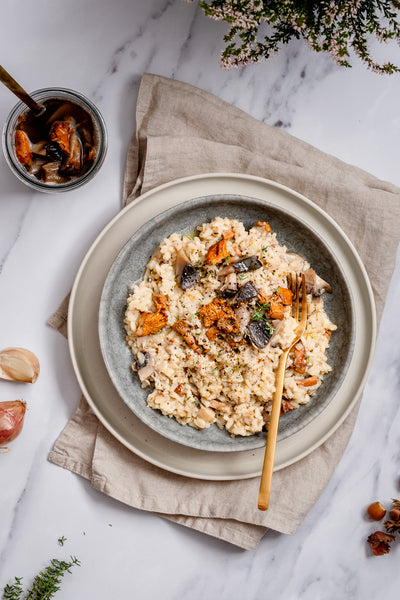
4. Fermented mushrooms in risotto:
Add an umami-rich flavor to your risotto with fermented mushrooms.
With these recipes and many other recipes on our blog, you can get started right away and create your own fermented delicacies. You can find everything you need for fermentation in our fermentation sets. Experiment and discover the world of fermentation!
Getting started with fermentation may seem intimidating at first, but with these basics and recipes, you'll be well equipped to make your own fermented delights. Let your creativity run wild and enjoy the healthy benefits of this fascinating culinary art.